If you want more house for your budget but still need access to Charlotte, Gastonia probably keeps coming up for a reason. Many buyers are trying to solve the same puzzle: how to balance commute time, monthly cost, and the kind of space that actually fits daily life. The good news is that Gastonia offers a clear value story, but it also comes with tradeoffs you should understand before you move forward. Let’s dive in.
Why Gastonia stands out
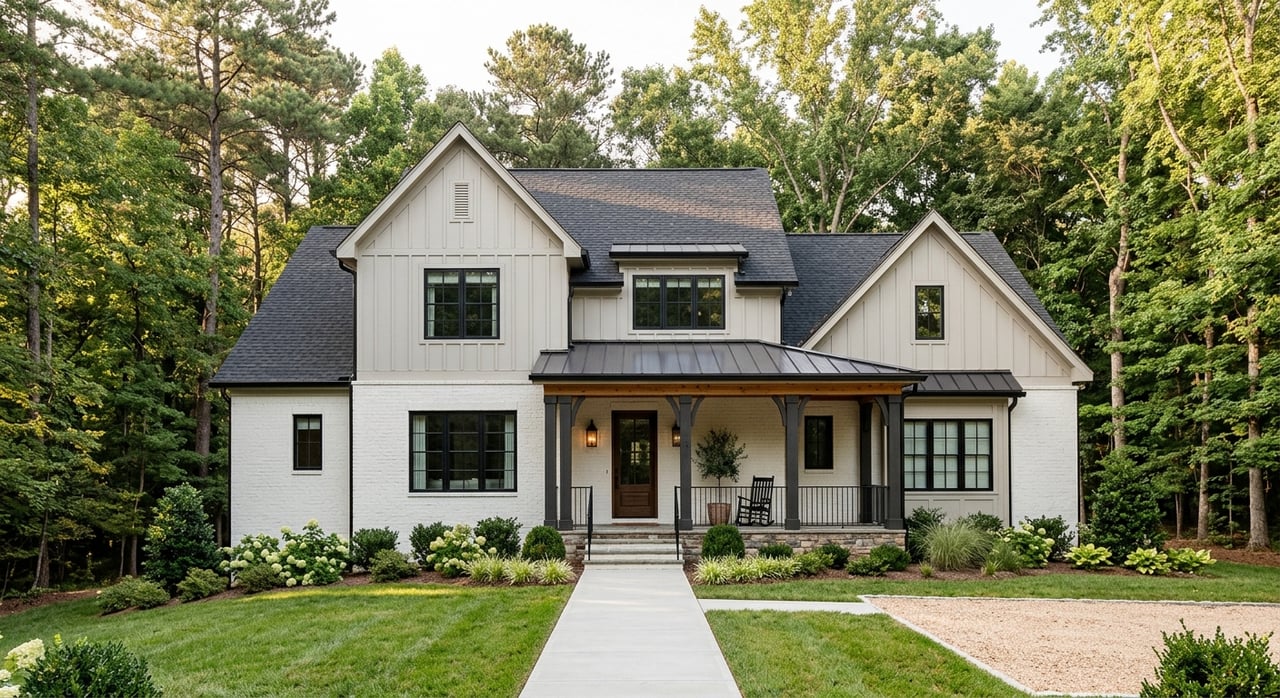
Gastonia often appeals to buyers who want a more affordable path into the Charlotte metro area without giving up the idea of a detached home or a little breathing room. Compared with Charlotte and several nearby southwest suburbs, the numbers show a meaningful price gap.
Zillow’s typical home value for Gastonia is $279,838 as of April 30, 2026. That compares with $399,070 in Charlotte, $434,466 in Belmont, $363,332 in Mount Holly, and $410,618 in Steele Creek. For many buyers, that difference can change what feels realistic.
Gastonia home prices compared
Here is a quick look at how Gastonia stacks up against nearby markets.
| Area | Typical Home Value |
|---|---|
| Gastonia | $279,838 |
| Charlotte | $399,070 |
| Belmont | $434,466 |
| Mount Holly | $363,332 |
| Steele Creek | $410,618 |
That puts Gastonia at roughly $119,000 less than Charlotte, about $155,000 less than Belmont, about $83,000 less than Mount Holly, and about $131,000 less than Steele Creek. If your priority is stretching your budget further, those gaps are hard to ignore.
What “value” can mean for you
Lower pricing does not just matter on paper. It can affect how much home you can consider, whether you can prioritize a yard, and how much flexibility you have for updates, furnishings, or future plans.
Gastonia also shows a slower market pace than Charlotte. Zillow reports homes in Gastonia go pending in about 45 days, compared with 17 days in Charlotte. That can mean a less intense environment, although competition still depends on the price point and specific area.
For some relocators, renting first is part of the plan. Zillow reports average rent in Gastonia at $1,526, compared with $1,727 in Charlotte and $1,961 in Belmont. If you want time to learn the area before buying, that lower carrying cost may help.
Commute to Charlotte: practical, but not close-in
Gastonia works best when you go in with realistic commute expectations. It offers access to Charlotte, but it does not function like an inner-ring suburb.
Census QuickFacts lists Gastonia’s mean travel time to work at 26.8 minutes, compared with 24.7 minutes in Charlotte. These are citywide averages, not a direct Gastonia-to-Uptown measurement, but they do suggest that regional commute expectations stay in the mid-20-minute range.
Transit options in Gastonia
Transportation in Gastonia changed in 2024. On July 1, 2024, GoGastonia replaced fixed-route bus service with an on-demand microtransit system. For Charlotte commuters, CATS 85X provides direct weekday service from the Gastonia Park & Ride to Uptown Charlotte.
That setup can work well for some schedules, especially if you want an alternative to driving every day. At the same time, day-to-day life in Gastonia still tends to be more suburban and more car-oriented than urban.
What daily mobility feels like
If you are comparing Gastonia with places closer to Charlotte, the difference is not just distance. It is also how the built environment feels.
Gastonia’s planning materials note a development pattern with larger lots, fewer sidewalks, and more self-contained neighborhoods. In practical terms, that often means you may drive more for errands and routine trips, but you may also get more yard, more separation, and more space around you.
Space is part of Gastonia’s appeal
For many buyers, Gastonia’s biggest advantage is not just lower pricing. It is the combination of lower cost and lower density.
According to Census QuickFacts, Gastonia covers 51.68 square miles with a population density of 1,555.9 people per square mile. Charlotte covers 308.29 square miles with a population density of 2,836.9 people per square mile. That lower density helps explain why Gastonia often feels more spacious and less urban.
Gastonia housing mix
Gastonia is not a one-note housing market. City planning data describes the housing mix as 68% single-family detached, 6% single-family attached, 22% multifamily, and 4% mobile homes.
That mix matters because it gives buyers more than one path into the market. You may be looking for a detached home with a yard, an attached home with lower exterior maintenance, or a multifamily option while you get established in the area.
Older neighborhoods and in-town character
Gastonia also has established neighborhoods with older homes and architectural character. City historic-district documentation points to areas such as York-Chester and Brookwood, where early- and mid-20th-century homes remain part of the housing landscape.
If you like the idea of an older home with in-town character, Gastonia offers that option alongside newer and more suburban-feeling areas. That broader range is part of what makes the city appealing to both first-time buyers and move-up buyers.
The core tradeoff to understand
Gastonia is a strong fit for buyers who are clear on their priorities. The tradeoff is straightforward: you are often getting a lower price point and more room, but you are also choosing a more commuter-suburban pattern of living.
For some buyers, that is exactly the right answer. If your budget feels tight in Charlotte, Belmont, Mount Holly, or Steele Creek, Gastonia may open up choices that are much harder to find in those markets.
Who benefits most from Gastonia living
Gastonia can make a lot of sense if you fall into one of these groups:
- First-time buyers who want a more realistic entry point into the Charlotte metro market
- Move-up buyers who need more house or yard space without pushing too far past budget
- Relocation buyers who want access to Charlotte but do not need inner-ring convenience
- Buyers seeking older homes with established character in the city’s older neighborhoods
- Households prioritizing space over a more urban, walkable setup
The key is knowing which tradeoffs matter most to you. A lower purchase price only feels like a win if the commute and day-to-day layout of the area fit your routine.
Questions to ask before buying in Gastonia
Before you decide, it helps to think through a few practical questions:
- How often will you need to commute into Charlotte?
- Would weekday service from the Gastonia Park & Ride help your routine?
- Do you want a detached home, an older in-town property, or a lower-maintenance option?
- Is having more yard or lower density worth a more car-dependent lifestyle?
- Would lower home prices or rent give you more financial flexibility?
When you answer those questions honestly, Gastonia usually becomes much easier to evaluate.
How to weigh Gastonia against nearby areas
If you are comparing markets side by side, think in terms of commute, value, and space. Those are the decision points most supported by today’s data.
Charlotte may offer a faster pace and a more intense market. Belmont, Mount Holly, and Steele Creek may appeal if you want to stay closer in, but they come with meaningfully higher home values. Gastonia tends to stand out when your goal is to maximize budget and space while keeping Charlotte access on the table.
For many buyers, that is not a compromise. It is a strategy.
If you are weighing Gastonia against other Charlotte-area options, working with someone who understands both the numbers and the day-to-day feel of each market can make the process much easier. When you are ready to talk through your goals, connect with Angie Dixon for calm, local guidance that helps you move with confidence.
FAQs
Is Gastonia more affordable than Charlotte for homebuyers?
- Yes. Zillow reports Gastonia’s typical home value at $279,838, compared with $399,070 in Charlotte.
Is Gastonia a practical choice for commuting to Charlotte?
- It can be, especially if your schedule fits driving or weekday CATS 85X service from the Gastonia Park & Ride to Uptown Charlotte.
What kind of housing is common in Gastonia?
- City planning data shows Gastonia has a mix led by single-family detached homes, along with attached homes, multifamily housing, and mobile homes.
Do Gastonia homes offer more space than denser Charlotte areas?
- Gastonia’s lower population density and more suburban development pattern often create a more spacious feel with larger lots and more separation between homes.
Are there older homes in Gastonia with historic character?
- Yes. City historic-district documentation identifies neighborhoods such as York-Chester and Brookwood for early- and mid-20th-century homes and architecture.
Is Gastonia more car-dependent than closer-in suburbs?
- In many areas, yes. City planning materials describe larger lots, fewer sidewalks, and more self-contained neighborhoods, which support a more car-oriented lifestyle.